

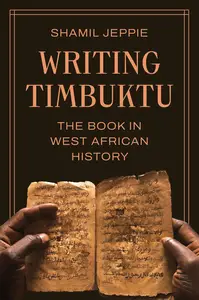
Free Download Writing Timbuktu
by Shamil Jeppie;
English | 2026 | ISBN: 0691273855 | 241 pages | True PDF EPUB | 77 MB
The long overlooked, centuries-long, culture of the book in WestAfrica
Printed books did not reach West Africa until the early twentieth century. And yet, between the fifteenth and twentieth centuries, literate and curious readers throughout the region found books to read-books that were written and copied by hand. InWriting Timbuktu, Shamil Jeppie offers a history of the book as a handwritten, handmade object in West Africa. Centering his account in the historic city of Timbuktu, Jeppie explores the culture of the "manuscript-book"-unbound pages, often held together by carefully crafted leather covers. He describes the most important and most prolific scholars and their works, the subjects they covered, and ways these books were circulated, collected, and preserved.
The authors of the manuscript-books wrote to demonstrate their knowledge to their peers, expound theological and legal opinions, and engage in scholarly disputation. After beginning his account in Timbuktu, Jeppie traces the literary connections among places as distant as Marrakesh in the north and Sokoto in the south, and smaller settlements in between. He chronicles the work of Ahmad Baba in late sixteenth-century Timbuktu and his students in early seventeenth-century Marrakesh; the emergence of writers in the eighteenth century in what today is Mauritania; the writings of the scholar-rulers of Sokoto, northern Nigeria, in the nineteenth century; and the eventual discovery of the manuscript-book world of West Africa by European travelers and French colonial officials. Finally, Jeppie finds that the handwritten text persisted even after the advent of the printed book, and even among writers whose books were in print, including the famous Malian novelist Amadou Hampâté Bâ.
Recommend Download Link Hight Speed | Please Say Thanks Keep Topic Live
Links are Interchangeable - Single Extraction